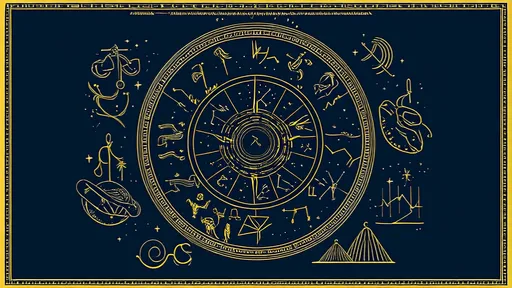
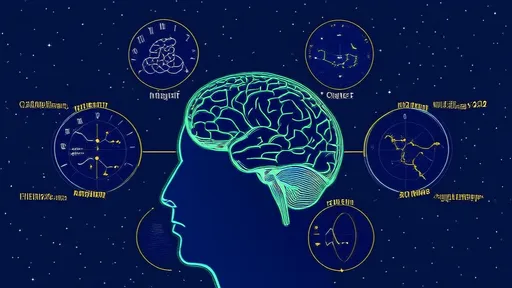
In the intricate dance of cosmic influence and biological function, a curious connection emerges between the subtle deficiencies in our micronutrient levels and the astrological signs under which we are born. While mainstream science remains skeptical of such correlations, a growing body of anecdotal evidence and holistic health observations suggests that our celestial blueprint might predispose us to specific nutritional gaps. This exploration ventures into the intersection of astrology and biochemistry, proposing that the stars might not dictate our fate but could hint at the unique ways our bodies interact with the essential minerals required for optimal health.
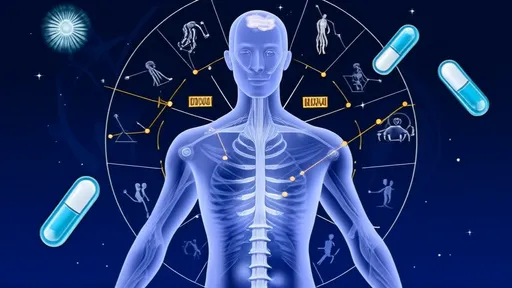
The foundation of this theory rests on the ancient belief that each zodiac sign governs particular organs and physiological systems within the human body. Aries, for instance, is traditionally associated with the head and adrenal glands, potentially making those born under this sign more susceptible to imbalances in iron or B vitamins, which are crucial for energy production and neurological function. Similarly, Taurus rules the throat and thyroid, hinting at a possible inclination toward iodine deficiency, which can disrupt metabolic harmony. These associations, though not scientifically proven, offer a fascinating lens through which to view individual health predispositions.
Moving through the zodiac, Gemini’s dominion over the lungs, arms, and nervous system might suggest a heightened need for magnesium, a mineral vital for nerve transmission and respiratory health. Could Geminis be more prone to the restlessness and anxiety that sometimes accompany low magnesium levels? Cancer, governing the stomach and breasts, may point to vulnerabilities in zinc absorption, impacting immune response and digestive efficiency. Leos, with their rulership over the heart and spine, might find themselves particularly sensitive to coenzyme Q10 or potassium shortages, nutrients essential for cardiovascular vitality.
Virgo’s association with the digestive system and pancreas introduces the possibility of chromium or manganese deficiencies, both of which play roles in blood sugar regulation and enzyme function. Libras, overseeing the kidneys and skin, may have an innate tendency toward electrolyte imbalances or silica shortages, affecting detoxification and connective tissue health. Scorpio’s link to the reproductive organs and colon suggests potential sensitivities to selenium or omega-3 fatty acids, crucial for hormonal balance and inflammatory control.
The fire signs—Sagittarius, Aries, and Leo—often exhibit boundless energy and enthusiasm, but this very vitality might mask underlying needs for antioxidants like selenium or vitamin E, which protect against oxidative stress generated by their active lifestyles. Earth signs—Taurus, Virgo, and Capricorn—grounded and practical, might overlook their own requirements for minerals like iron or calcium, assuming their steadfast nature implies robustness, yet they could be quietly depleting these reserves through relentless diligence.
Air signs—Gemini, Libra, and Aquarius—intellectual and social, may prioritize mental stimulation over physical nourishment, inadvertently neglecting trace elements like zinc or iodine that support cognitive function and thyroid health. Water signs—Cancer, Scorpio, and Pisces—deeply emotional and intuitive, might find their mineral balance swayed by stress, with magnesium and potassium levels fluctuating in response to their sensitive natures, impacting everything from mood to muscle function.
Beyond the sun signs, the entire natal chart—including moon signs, rising signs, and planetary aspects—adds layers of complexity to this nutritional astrology. For example, someone with a strong Pisces influence in their chart might be particularly attuned to the effects of mercury or lead toxicity, given Pisces’ association with the feet and lymphatic system, organs involved in detoxification. Alternatively, a prominent Mars placement could indicate a higher need for iron, reflecting the planet’s connection to blood and energy.
It is crucial to emphasize that these tendencies are not deterministic but rather suggestive, offering a framework for personalized health awareness. They encourage individuals to consider their astrological makeup as one of many factors influencing their nutritional needs, alongside genetics, diet, lifestyle, and environment. This approach aligns with the holistic principle that health is multifaceted, integrating physical, emotional, and even cosmic dimensions.
In practical terms, how might one apply this knowledge? First, by observing patterns: if you are a Taurus constantly battling fatigue despite sufficient sleep, perhaps investigating iodine levels or thyroid function could unveil a hidden deficiency. A Gemini experiencing muscle cramps might benefit from magnesium supplementation. A Scorpio with hormonal imbalances could look into selenium-rich foods like Brazil nuts or omega-3 sources such as flaxseeds. These are not prescriptions but starting points for deeper self-inquiry and professional healthcare guidance.
The skepticism from the scientific community is understandable and necessary; astrology lacks the empirical rigor of controlled studies. However, the value of this perspective lies in its ability to inspire proactive health engagement. By viewing micronutrient deficiencies through an astrological lens, we are invited to become more attuned to our bodies’ subtle signals, fostering a preventive rather than reactive approach to wellness. It transforms nutrition from a generic recommendation into a personalized journey, where the stars serve as gentle guides rather than absolute authorities.
Ultimately, the connection between zodiac signs and微量元素 deficiencies is a poetic reminder of the interconnectedness of universe and self. It suggests that our bodies are microcosms reflecting broader cosmic patterns, and that by understanding these patterns, we can better navigate our path to health. Whether one fully embraces astrology or merely appreciates it as a metaphorical tool, this fusion of ancient wisdom and modern nutrition offers a unique pathway to harmony, encouraging each individual to explore the celestial influences that might be shaping their well-being from within.

By /Aug 25, 2025

By /Aug 25, 2025
By /Aug 25, 2025

By /Aug 25, 2025

By /Aug 25, 2025

By /Aug 25, 2025
By /Aug 25, 2025

By /Aug 25, 2025
By /Aug 25, 2025
By /Aug 25, 2025
By /Aug 25, 2025
By /Aug 25, 2025
By /Aug 25, 2025

By /Aug 25, 2025

By /Aug 25, 2025

By /Aug 25, 2025

By /Aug 25, 2025

By /Aug 25, 2025

By /Aug 25, 2025

By /Aug 25, 2025