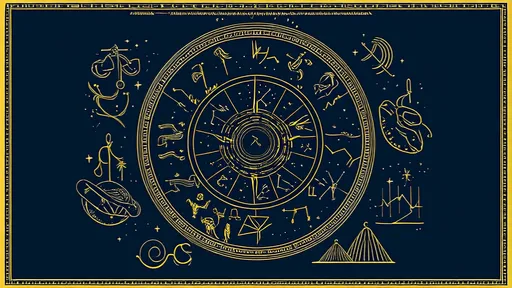
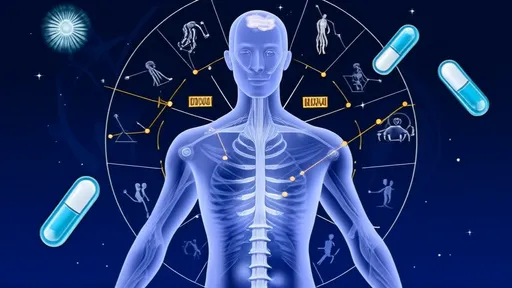
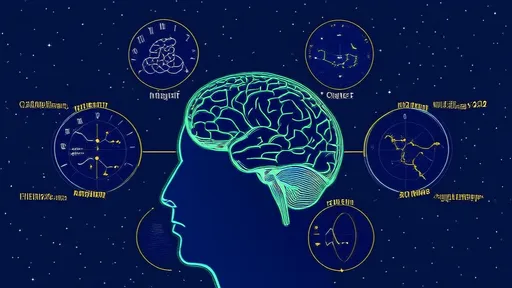
In the intricate dance between mind and body, few phenomena are as fascinating as the psychological dimensions of pain management. Among the emerging areas of interest is the curious intersection of astrological beliefs and pain perception—a topic that straddles the line between ancient mysticism and modern neuroscience. While skeptics may dismiss zodiac signs as mere superstition, a growing body of anecdotal and preliminary research suggests that one's astrological profile might subtly influence how they experience and cope with pain. This isn't about stars dictating destiny, but rather about how deeply held beliefs and personality traits, often associated with zodiac signs, can shape psychological responses to discomfort.
The foundation of this idea lies in the well-established placebo and nocebo effects, where expectations can dramatically alter physical sensations. If someone truly believes their Taurus stubbornness makes them more resilient to pain, that conviction might actually manifest as increased tolerance. Conversely, a Pisces who sees themselves as emotionally sensitive might anticipate greater suffering, potentially heightening their discomfort. This psychological scaffolding, built around astrological identity, becomes a self-fulfilling prophecy in the theater of pain management.
Consider the elemental groups in astrology: fire, earth, air, and water. Fire signs like Aries, Leo, and Sagittarius are often described as passionate, dynamic, and impulsive. This fiery temperament might correlate with a higher pain threshold, as their focus on action and triumph could divert attention from discomfort. They may benefit from dynamic, engaging pain management techniques that channel their energy, such as competitive physical therapy or high-intensity distraction methods.
Earth signs—Taurus, Virgo, Capricorn—are typically seen as grounded, practical, and enduring. Their methodical nature might make them more responsive to structured, routine-based pain management plans. They could excel with consistent medication schedules, physical exercises, and holistic practices like yoga or tai chi that emphasize bodily awareness and stability. Their perceived resilience might be a powerful asset in long-term pain coping strategies.
Air signs, including Gemini, Libra, and Aquarius, are associated with intellect, communication, and detachment. For them, pain might be more manageable through cognitive-behavioral techniques, education about their condition, and social support. Their ability to rationalize and analyze could help reframe pain perception, making them ideal candidates for mindfulness and meditation practices that encourage mental detachment from physical sensations.
Water signs—Cancer, Scorpio, Pisces—are often deemed intuitive, emotional, and empathetic. Their deep connection to feelings might make them more susceptible to pain's emotional aspects, but also more receptive to emotionally charged interventions. Techniques like guided imagery, music therapy, or counseling that address the emotional weight of pain could be particularly effective. Their empathy might also make group therapy a powerful tool, as sharing experiences validates their emotional response.
Beyond elements, modalities (cardinal, fixed, mutable) further refine these tendencies. Cardinal signs (Aries, Cancer, Libra, Capricorn) are initiators; they might prefer proactive, leadership-oriented approaches to pain management, taking charge of their treatment. Fixed signs (Taurus, Leo, Scorpio, Aquarius) are steadfast; they may respond well to consistent, unwavering strategies but could struggle with adapting to new methods. Mutable signs (Gemini, Virgo, Sagittarius, Pisces) are adaptable; they might thrive with flexible, varied techniques that prevent monotony.
It's crucial to emphasize that these associations are not deterministic. Astrology provides a framework for understanding personality and behavior, not a rigid blueprint. The power lies in the belief itself—a psychological tool that can be harnessed. In pain management, where mindset is paramount, if identifying with a zodiac sign's traits boosts confidence or reduces anxiety, it becomes a valid, albeit unconventional, adjunct to traditional methods.
Research in this area is still in its infancy, often met with raised eyebrows in scientific circles. However, studies on the placebo effect have repeatedly shown that belief can activate real physiological pathways, releasing endorphins or modulating neural activity. If astrological self-perception can trigger similar mechanisms, it warrants curiosity rather than dismissal. Case reports have noted instances where patients using zodiac-based affirmations reported better pain outcomes, though controlled studies are needed to isolate variables.
Practical application might involve therapists gently exploring a patient's astrological beliefs if they volunteer them, integrating those narratives into personalized care plans. For example, a Leo might be encouraged to see pain management as a "hero's journey," leveraging their natural courage. This isn't about promoting astrology, but about respecting cultural and personal beliefs that can enhance therapeutic alliances and outcomes.
Ethical considerations abound. Clinicians must avoid reinforcing harmful stereotypes or replacing evidence-based treatments with astrological advice. The goal is augmentation, not substitution—using these beliefs to foster a positive mindset that complements medical interventions. It's also vital to ensure this approach doesn't alienate those who don't subscribe to zodiac systems, maintaining inclusivity in care.
Looking forward, the dialogue between astrology and pain management highlights a broader principle: the mind's profound influence on physical experience. Whether through zodiac signs, cultural rituals, or personal mantras, the narratives we tell ourselves about our bodies can become biological realities. In an era where personalized medicine is prized, understanding these psychological nuances—however unconventional—could open new avenues for empathy and effectiveness in healing.
Ultimately, pain is a universal human experience, but its management is deeply individual. If gazing at the stars helps someone find strength or solace in their struggle, that cosmic connection, however metaphorical, becomes a tangible part of their recovery. The zodiac, in this light, is less about fate and more about framework—a symbolic language for the complex, often mysterious, interplay between belief and biology.

By /Aug 25, 2025

By /Aug 25, 2025
By /Aug 25, 2025

By /Aug 25, 2025

By /Aug 25, 2025

By /Aug 25, 2025
By /Aug 25, 2025

By /Aug 25, 2025

By /Aug 25, 2025
By /Aug 25, 2025
By /Aug 25, 2025

By /Aug 25, 2025

By /Aug 25, 2025

By /Aug 25, 2025

By /Aug 25, 2025

By /Aug 25, 2025

By /Aug 25, 2025

By /Aug 25, 2025

By /Aug 25, 2025

By /Aug 25, 2025