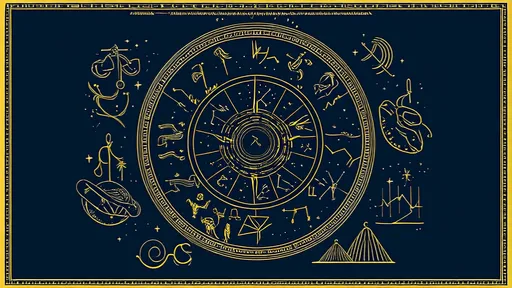
Ever since ancient astrologers first mapped the constellations onto human experience, we've sought connections between celestial patterns and terrestrial realities. In recent years, a fascinating niche has emerged at the intersection of sports medicine, rehabilitation science, and astrology: the concept of zodiac-based recovery timelines for athletic injuries. This isn't about magic or mysticism replacing cold packs and physical therapy, but rather about understanding potential biological and energetic rhythms that might align with astrological transits, offering a new layer of strategic timing for athletes and trainers aiming for peak performance and efficient healing.
The core premise rests on the idea that each zodiac sign governs specific parts of the human body. Aries, for instance, is traditionally associated with the head and face, while Taurus rules the neck and throat. This astrological anatomy extends throughout the twelve signs, creating a map where Scorpio influences the reproductive organs and Sagittarius presides over the hips and thighs. When an injury occurs in a body part, proponents of this theory suggest that the sun's position in the corresponding zodiac sign, or the sign's ruling planet being prominent or well-aspected, might create a more favorable energetic environment for healing those specific tissues. It's a hypothesis that looks beyond the purely physical, considering the injury within a broader, cosmic context of timing and energy flow.
Consider a common sports injury: a torn hamstring. Governed by Sagittarius, the recovery process for such an injury might be theorized to gain a subtle boost when the sun transits through this adventurous fire sign, or when Jupiter, its ruling planet, is strong and positively configured in the sky. This doesn't mean the injury will vanish overnight, but that the body's innate healing mechanisms for that specific area could be operating at a slightly higher efficiency. Trainers working with this concept might schedule more intensive physiotherapy sessions or introduce new rehabilitation exercises during these hypothesized windows, aiming to synergize cellular repair with these purported astrological currents.
Conversely, the theory also proposes challenging periods. If an athlete suffers a knee injury, a joint ruled by Capricorn, and Saturn—Capricorn's traditional ruler—is undergoing a difficult transit, such as being in retrograde or forming a stressful square aspect with Mars, the recovery might be slower, more prone to setbacks, or require greater patience. Awareness of such a potential "cosmic headwind" isn't meant to discourage but to empower. It allows the athlete and their medical team to anticipate a potentially tougher road, manage expectations, double down on foundational care, and avoid rushing the process, thus preventing re-injury. It reframes patience from a virtue into a strategic imperative based on celestial timing.
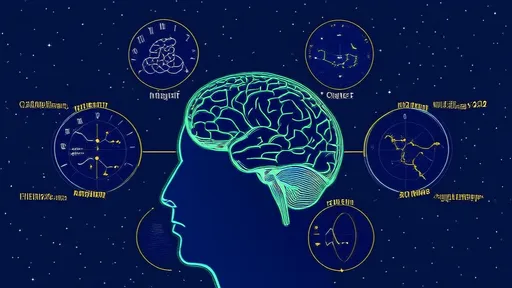
This approach demands a highly personalized analysis. A generic sports injury calendar is largely ineffective here. The concept's true power is unlocked through a natal chart reading for the individual athlete. The position of Mars, the planet of action and assertion, in one's birth chart can indicate inherent vulnerabilities. An individual with Mars in Gemini might be more prone to nerve-related issues in the arms and hands, common in sports like tennis or baseball. When transiting planets activate this natal Mars placement, it could signal a period of higher injury risk for those specific areas. Therefore, the optimal recovery window isn't just about the sun's sign; it's a complex interplay between the injury's location, the current planetary transits, and the athlete's unique astrological blueprint.
Naturally, this theory exists firmly on the frontier of sports science and is met with understandable skepticism from the medical establishment. There is a conspicuous lack of large-scale, double-blind clinical trials proving a causal link between planetary positions and ligament healing rates. Critics rightly argue that the placebo effect, the quality of medical care, nutrition, rest, and the athlete's own mental state are overwhelmingly more significant factors. The vast majority of orthopedic surgeons and physiotherapists would, quite rightly, prioritize evidence-based protocols over astrological charts. This perspective is not a replacement for modern medicine but is explored by some as a complementary, holistic layer—a tool for optimizing timing within an already solid recovery framework.
For the athlete immersed in the world of marginal gains, where a 1% improvement is the difference between podium and participation, any potential advantage is worth exploring. Integrating an awareness of these hypothesized zodiac time windows requires no extra equipment or medication; it simply requires an alternative perspective on timing. An athlete might decide to undergo elective surgery, like a routine arthroscopic procedure, during a period astrologically favorable for the affected body part, hoping for a smoother and faster postoperative journey. It's a practice rooted in the ancient human desire to align our actions with the rhythms of the universe, seeking harmony between the microcosm of the body and the macrocosm of the heavens.
Ultimately, the concept of zodiac recovery time windows is less about definitive, predictable countdowns and more about cultivating a mindful, nuanced approach to healing. It encourages athletes to view their recovery not as a isolated biological event but as a process connected to larger cycles. Whether one views it as a useful metaphor, a psychological tool, or a genuine energetic influence, it promotes a deeper attunement to the body's needs and the passage of time. In the high-stakes world of athletic competition, where a day can be an eternity, this cosmic perspective on healing offers a unique framework for patience, strategy, and perhaps, a swifter and stronger return to the game.

By /Aug 25, 2025

By /Aug 25, 2025
By /Aug 25, 2025

By /Aug 25, 2025

By /Aug 25, 2025

By /Aug 25, 2025

By /Aug 25, 2025

By /Aug 25, 2025

By /Aug 25, 2025

By /Aug 25, 2025
By /Aug 25, 2025

By /Aug 25, 2025

By /Aug 25, 2025

By /Aug 25, 2025

By /Aug 25, 2025

By /Aug 25, 2025

By /Aug 25, 2025

By /Aug 25, 2025

By /Aug 25, 2025

By /Aug 25, 2025