In the vibrant ecosystem of contemporary art, emerging artists navigate a complex journey from the solitude of their studios to the public eye of gallery exhibitions. This path, often uncharted and intimidating, demands not only creative excellence but also strategic acumen. The transition from creating art to marketing it effectively is a critical phase that can define an artist's career trajectory. Understanding the nuances of this process is essential for any young creator aiming to establish a sustainable presence in the competitive art market.
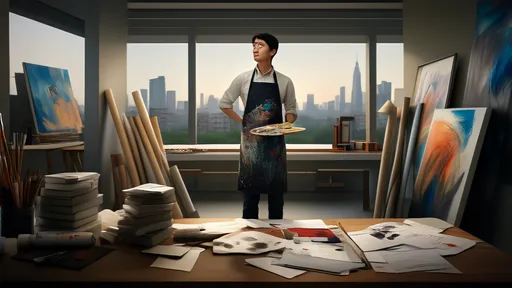
The foundation of any successful artistic career begins long before the first gallery contract is signed. It is built in the studio, through relentless experimentation, skill refinement, and the development of a unique visual language. An artist's body of work must not only demonstrate technical proficiency but also convey a coherent narrative or thematic consistency. This coherence becomes their signature, a recognizable thread that ties their creations together and distinguishes them from peers. Galleries and collectors are drawn to artists who offer something distinct yet mature, a voice that adds value to the cultural conversation rather than merely echoing trends.
However, talent alone is rarely enough to secure a foothold in the art world. In today's digital age, visibility is currency. Emerging artists must proactively cultivate an online presence, leveraging platforms like Instagram, Artsy, or even personal websites to showcase their work. Social media, when used strategically, can serve as a virtual studio visit for curators, gallerists, and enthusiasts thousands of miles away. It allows artists to control their narrative, share their process, and build a community of followers who may eventually become patrons. This digital footprint acts as a portfolio that is accessible anytime, anywhere, breaking down geographical barriers that once limited opportunities.
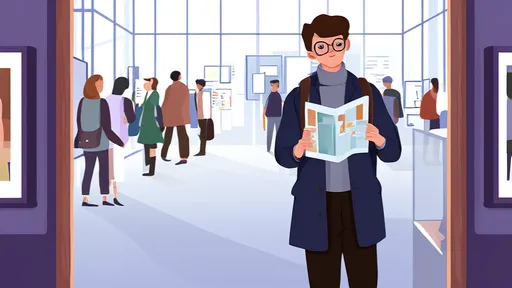
Networking remains an indispensable element of market strategy. Attending gallery openings, art fairs, and industry events provides invaluable face-to-face interactions with influencers in the field. Building genuine relationships with curators, fellow artists, critics, and gallery assistants can open doors that might otherwise remain closed. These connections often lead to collaborative projects, recommendations, or informal advice that guides an artist's decisions. It's not about transactional exchanges but fostering mutual respect and shared enthusiasm for art—a community that supports its members through word-of-mouth and mentorship.
When approaching galleries, preparation is key. Researching which spaces align with one's aesthetic and ethos is crucial; not every gallery will be the right fit. Tailoring submissions to highlight how an artist's work complements the gallery's existing roster shows professionalism and intentionality. A well-crafted artist statement, a concise biography, and high-quality images of recent works are non-negotiables. Additionally, demonstrating an understanding of the business side—such as pricing consistency, edition management for prints or multiples, and familiarity with standard commission structures—signals to gallerists that the artist is serious and manageable.
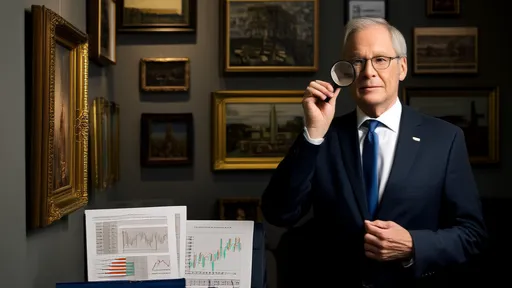
Pricing artwork appropriately is another critical hurdle. Emerging artists often struggle with undervaluing or overinflating their prices, both of which can hinder long-term growth. Factors like medium, size, production costs, exhibition history, and comparable market rates for artists at a similar career stage should inform decisions. Starting with modest but respectable prices and gradually increasing them as demand builds can create a sustainable momentum. It's also wise to maintain consistency across different platforms to avoid confusing collectors and devaluing the work.
Once in a gallery, the relationship between artist and gallerist becomes a partnership. Clear communication about expectations, responsibilities, and goals ensures both parties are aligned. Artists should actively participate in promoting their exhibitions through their channels, engaging with audiences during openings, and providing content for the gallery's marketing efforts. This collaborative energy not only enhances the show's success but also strengthens the professional bond, paving the way for future projects.
Beyond galleries, exploring alternative avenues like art residencies, grants, and public installations can diversify an artist's portfolio and income streams. These opportunities often provide exposure to new audiences and contexts, enriching an artist's practice both creatively and professionally. They also demonstrate initiative and ambition, qualities that galleries and collectors admire.
Ultimately, the journey from studio to gallery is neither linear nor guaranteed. It requires patience, resilience, and a willingness to adapt strategies as the market evolves. Success is rarely overnight; it is the cumulative result of persistent effort, strategic planning, and a bit of serendipity. For young artists, embracing both the creative and commercial aspects of their career is not a compromise but a necessary integration to thrive in the ever-changing landscape of contemporary art.
In conclusion, the market strategy for a young artist is a multifaceted endeavor that blends artistic integrity with business savvy. From honing a distinctive style and building an online presence to networking intelligently and forming symbiotic relationships with galleries, each step is integral to crafting a sustainable career. By approaching this journey with both passion and pragmatism, emerging artists can navigate the complexities of the art world and carve out a space where their creativity resonates and endures.
By /Aug 28, 2025
By /Aug 28, 2025

By /Aug 28, 2025
By /Aug 28, 2025
By /Aug 28, 2025
By /Aug 28, 2025
By /Aug 28, 2025

By /Aug 28, 2025
By /Aug 28, 2025
By /Aug 28, 2025
By /Aug 28, 2025

By /Aug 28, 2025
By /Aug 28, 2025
By /Aug 28, 2025

By /Aug 28, 2025

By /Aug 28, 2025
By /Aug 28, 2025
By /Aug 28, 2025
By /Aug 28, 2025

By /Aug 28, 2025